
2026 will be a year in which events gain even more strategic relevance. Becoming a key lever for brands to create real attention, connection, and impact. At the same time, expectations are rising. People want experiences that last, and companies want results that endure. AI is reshaping how event strategy is conceived, developed, and evaluated: making it precise, efficient, and measurable.
And right at the center: VOK DAMS worldwide. For 50 years, we are standing for innovation and inspiration in event and live marketing. That experience taught us to recognize and embrace our industry trends. Which we like to share, so here are the key trends that will shape 2026.
1. Events Become a Strategic Lever in Marketing Communication
Digital spaces are getting tighter: content is virtually infinite, yet visibility is becoming ever more selective. Algorithms filter reach and increasingly determine what gets through at all. Live experiences bypass these barriers. They create presence, attention, and impac, without a feed, filters, or scrolling. People listen, experience things together, and respond immediately. That’s why live will continue to gain strategic importance in 2026.
In 2026, companies will use events to explain transformation, provide orientation, actively involve people, and strengthen culture. Events are no longer isolated communication tools, but strategic brand touchpoints with a clear purpose and measurable impact.
2. Once-in-a-Lifetime Experiences Become the Currency of Attention
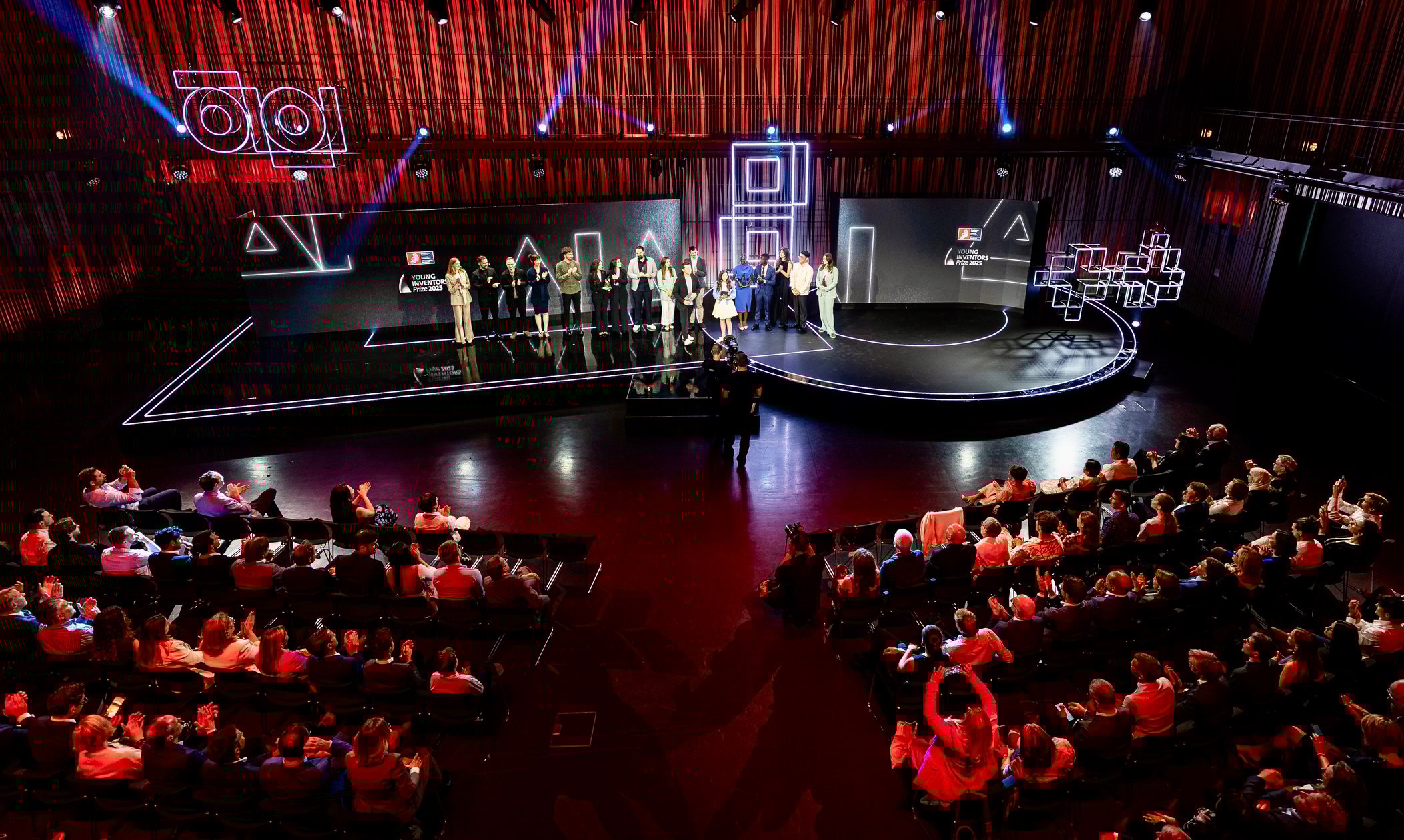
Attention will be a scarce resource in 2026. That is why brands need to invest in bold, immersive, and surprising experiences. Attention is no longer driven by visibility alone, but by meaning. By moments that deserve time and focus.
In a world where almost everything is always available, uniqueness becomes the strongest driver. A single event is no longer enough when it’s just a moment in time. It takes a signature experience people still talk about months later because it sparks emotion, strengthens identity, and creates conversation value. And that conversation value is the new currency: it extends impact far beyond the event itself: into teams, communities, and networks.
3. AI Becomes a Co-Strategist with Digital Doppelgängers

AI is changing how we plan events, especially where impact begins: in strategy and concept development. Instead of explaining decisions with data after the event, in 2026 we increasingly test, refine, and optimize beforehand.
Digital Doppelgängers enable a new form of co-creation: audiences become sparring partners. Ideas, dramaturgies, content, and touchpoints can be simulated in advance, not based on assumptions, but on realistic, simulated reactions. This makes it clear which messages resonate, where friction occurs, which formats activate, and what moves people.
The shift is clear: Pre-data instead of post-event analysis. AI makes concepts more precise and events more impactful by enabling better decisions earlier. Leaving more room for what live experiences are all about: bold ideas, strong moments, and genuine connection.
4. Events Create Communities
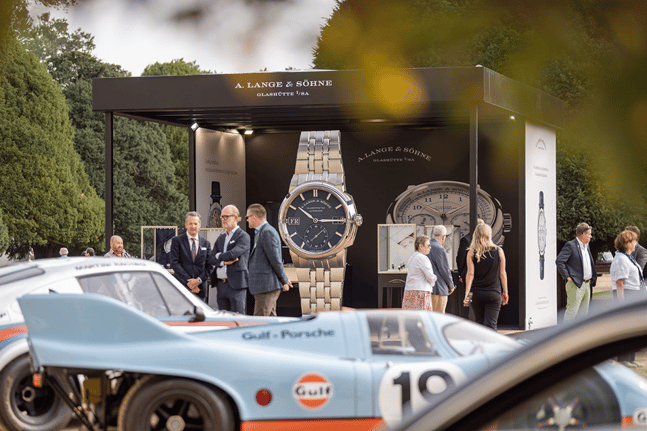
Today, events do more than create experiences. They create belonging. Whether employees, customers, or stakeholders: communities emerge where people experience, shape, and engage together.
That is why events in 2026 are increasingly designed as long-term relationship engines – not as single entities, but as starting points for connection. Series formats, leadership programs, and employee engagement play a key role.
They enable recurring encounters, real dialogue, and participation. That builds lasting bonds and communities that endure.
5. Micro Events: Small, Precise, Personal
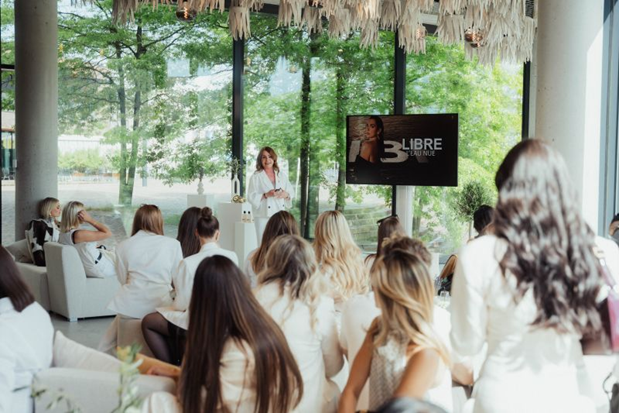
The trend is toward curated formats for smaller audiences. Micro events create closeness, relevance, and deep dialogue, without the overwhelm of large stages. High touch instead of high volume.
In 2026, companies will complement flagship events with many small, standardized, and highly efficient touchpoints that can be flexibly rolled out across regions, audiences, or markets. Their strength lies in scale with substance: small groups enable deeper exchange, stronger participation, and more meaningful dialogue.
Micro events are ideal for focused product launches, leadership dialogues, change programs, internal communication, and client engagement.
6. Employee Events Become a Strategic Tool
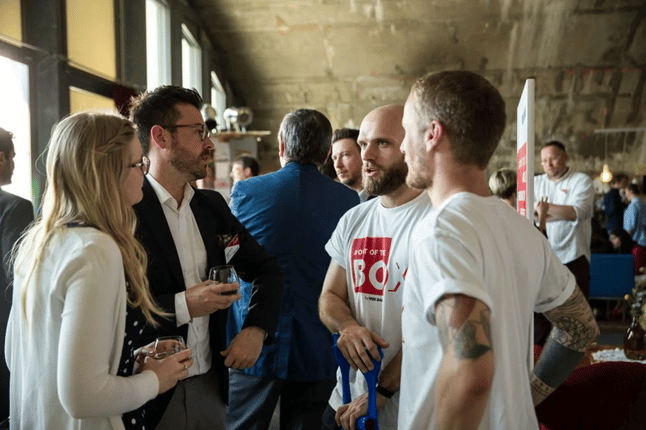
Internal communication embraces live. Kick-offs, culture days, and leadership formats gain further importance in 2026 because they achieve what emails, slides, and intranet posts often cannot: orientation, identification, and energy.
Events become the place where culture happens. When leadership is visible and employees are actively involved, trust, clarity, and momentum emerge. This is what makes internal events a strong strategic tool: for alignment, engagement, and sustainable culture.
7. Anniversaries Reimagined 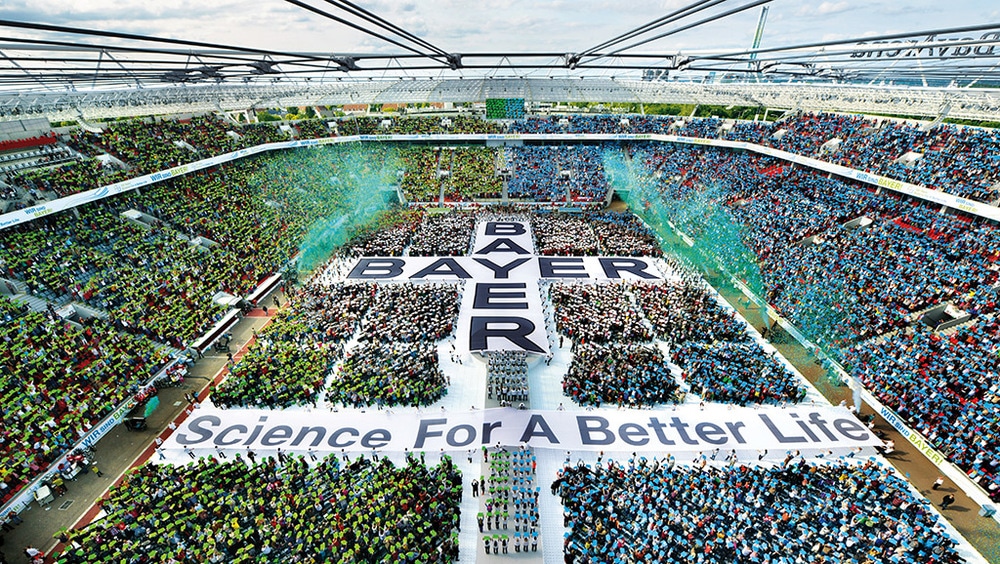
What’s new isn’t the anniversary, it’s how it’s being used as an event. In 2026, anniversaries are staged both as a look back and as a strategic launchpad for the next chapter.
That turns an anniversary into a brand moment that makes identity tangible: through a clear message, a point of view, and meaningful encounters.
When done right, anniversaries have impact far beyond a single evening. They connect employees, customers, and stakeholders, strengthen identity and trust, and activate relationships – internally and externally. Not as a celebration for its own sake, but as a live format with clear purpose and impact.
8. Mindfulness as an Event Design Principle

Strategy meetings or leadership programs face new demands in 2026. Audiences operate under constant pressure and tight schedules. What’s needed are spaces that enable presence, foster conversation, inspire ideas, and clear the mind for what truly matters.
Leaders, teams in transformation, employees, customers, and partners expect more than information – they want to feel considered. This increases the demand for formats that provide orientation instead of overload.
Mindfulness becomes an event design principle: less sensory overload, more presence. Not quieter – but more conscious. Events create frameworks where people truly arrive with clear flow, meaningful conversation zones, moments of calm, and natural pauses. Digital tools support intentionally without disrupting the moment. The result: content resonates longer, dialogue deepens, and brands are experienced more consciously.
9. THINK GLOBAL - ACT LOCAL
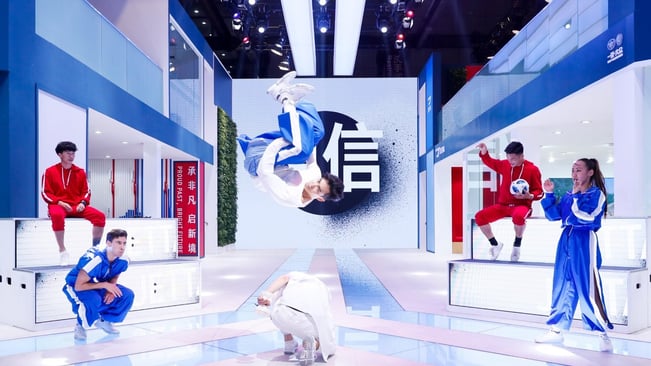
Think global, feel local. In 2026, international brands will increasingly rely on global event frameworks that combine cultural diversity, local insight, and global brand messaging. The goal: a consistent brand story across borders – not translated, but truly relevant locally. Global master concepts are intelligently adapted with the right cultural codes, tone, and formats for each market.
Internationality becomes a quality standard, not an added layer of complexity: global clarity, local relevance – and events that make the brand tangible everywhere.
10. Sustainability Becomes a Question of Credibility

In 2026, sustainability in event and live marketing will no longer an add-on – it will be a core expectation. Clients, partners, employees, and increasingly regulation demand responsibly planned and delivered events. Brands that take sustainability seriously must make it tangible in live experiences – across concept, production, supply chain, and reporting.
Requirements are increasing. Companies must comply with regulations such as the German Supply Chain Due Diligence Act (LkSG) and CSRD. At the same time, the revised ISO 20121:2024 strengthens the link between events and the 17 UN Sustainable Development Goals (SDGs). Sustainability becomes not only a question of values, but of proof.
With the SDG Event Compass, VOK DAMS has responded to this shift. The tool helps event teams integrate sustainability measures strategically and align them systematically with the UN SDGs – providing a clear, structured foundation for future-oriented, measurable sustainability in events.
EVENT MARKETING IS PREMIUM, STRATEGIC, AND HIGHLY EMOTIONAL
In 2026, it’s about creating iconic experiences, supporting complex communication goals holistically, and building impact that lasts beyond the moment. By combining creativity, AI-powered insights, and sustainable concepts, events are created that move and shape brands for the long term.
Why these trends matter right now:
Shifting expectations: Attendees don’t just want to be informed. They’re looking for experiences, connection, interactivity, and real added value.
Technological possibilities: AI, data analytics, VR/AR, and digital tools enable a level of personalization and experience that was unthinkable in the past.
Societal change: Sustainability, social responsibility, and values-driven decision-making are becoming increasingly important for companies and audiences. Events need to reflect that.. , social responsibility, and values-driven decision-making are becoming increasingly important for companies and audiences. Events need to reflect that.
The content mindset: An event can be more than a moment. With thoughtfully designed content, lasting brand and community effects can emerge.
Curious how event trends for 2026 can shape your next project in practical terms? We’d love to connect—feel free to reach out at info@vokdams.de.
DAS KÖNNTE DICH AUCH INTERESSIEREN:
THE REAL REASON WHY EVENT BUDGETS ARE INCREASING
DIGITAL DOPPELGAENGER: CO-CREATE WITH YOUR TARGET AUDIENCE
ATTENTION BY INTENTION: VOK DAMS AND MINDFULNESS-FOCUSED EVENTS
Contact
/Landingpage/images/contact.png?width=76&name=contact.png "contact")
Tania Nazzal